

.png) Nederlands
Nederlands Türkçe
Professionals are increasingly choosing to work for a Dutch company from abroad. Whether it’s a temporary arrangement or a long-term employment contract, this way of working offers a certain degree of flexibility.
At the same time, professionals often have questions about taxes, social security, and employer obligations. This article therefore explains what you need to keep in mind when working for a Dutch company from abroad.
Can you work for a Dutch company from abroad?
Working for a Dutch company from abroad is permitted in most cases, but depends on various factors. Since remote work has become popular, it has become more common to work outside the Netherlands on a temporary or permanent basis while remaining employed by a Dutch employer.
However, there are legal, tax, and organizational implications that both the employer and the employee must take into account. It is important to distinguish between the following forms of remote work:
- A short period, also known as a “workation”: working from abroad for a few weeks
- A longer temporary period: working from a location outside the Netherlands for a few months per year
- Permanent or long-term: living and working entirely abroad
In general, the longer and whether or not permanently you work abroad, the greater the impact on taxes, social security, and obligations for your employer. The 183-day rule, for example, is important in this regard.
Taxes and the 183-day rule
Knowing where you pay taxes is important when it comes to working for a Dutch company from abroad. In most cases, the 183-day rule applies. This rule states that you are generally liable for taxes in the Netherlands if you work in another country for fewer than 183 days per year. If you work abroad for more than 183 days per year, your tax liability may shift to that country.
Your tax residence also plays a role in this. If you officially move abroad and live there, you may be required to pay taxes in that country, even if you work for a Dutch company.
It is important to know that the Netherlands has tax treaties with many countries to prevent double taxation. These treaties are decisive in determining which country may tax your income.
Because the rules are complex and can vary by country, it is wise to discuss your situation with a tax advisor or the Dutch Tax and Customs Administration. So pay close attention to your physical workplace, your contract, and your personal situation.
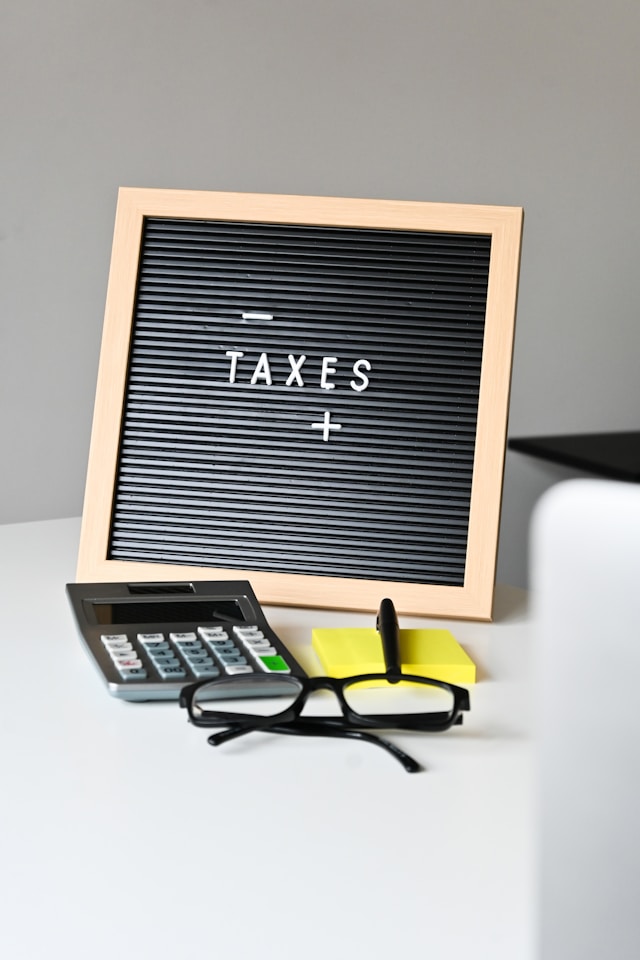
Explain how taxation works. If you work fewer than 183 days per year in another country, the 183-day rule generally applies and you continue to pay tax in the Netherlands. If you exceed this limit or become a tax resident of the other country, your tax obligations shift. Mention that the Netherlands has bilateral tax treaties with many countries to prevent double taxation. Advise readers to consult the Tax and Customs Administration or a tax advisor regarding their specific situation.
Social Security and the A1 Certificate
In addition to taxes, social security is also important. This includes matters such as AOW pension accrual, health insurance, and unemployment benefits. Where you are covered by social security is not always the same as where you pay taxes.
Within the EU/EEA, the general rule is that you are covered by social security in the country where you physically work. An exception to this is the A1 certificate, which you may be able to apply for through the Social Insurance Bank (SVB) if you are temporarily working from another EU country.
In addition, there is the 25% rule, which applies if you work more than 25% of your time in your country of residence. At that point, social security coverage often shifts to that country. This can have implications for your rights and insurance coverage and must be taken into account if you work for a Dutch employer from abroad.
Consequences for your Dutch employer
If you work from home while abroad, this also has consequences for your employer. A so-called permanent establishment may arise, which means the Dutch company may become liable for taxes abroad and face additional administrative obligations.
In addition, your employer may have to deal with local labor laws, health and safety regulations, payroll tax obligations abroad, and local data protection rules.
The consequences of working from abroad for the employer can entail significant risks. That is why many Dutch companies choose to limit remote work from abroad and only allow it for temporary periods.
Working as an entrepreneur from abroad with a Dutch BV
It is possible for entrepreneurs to have a Dutch BV while living abroad, provided the structure is correct. Entrepreneurs must meet the following conditions, among others:
- The Dutch BV must be properly incorporated and registered
- There must be a Dutch business address
- The BV must have an active Dutch business bank account
- The accounting records must comply with Dutch requirements
It is also important to demonstrate that the BV is managed from the Netherlands and not from abroad. If this is the case, it may affect the company’s tax domicile.
It is therefore important to carefully align both the corporate structure and the personal situation. That is why the vast majority of international entrepreneurs choose to use a Dutch BV as a gateway to the EU market and to ensure the correct tax and legal structure.
How Beyond Consultancy Can Help You
Our team supports you in cross-border situations arising from tax, social security, and legal regulations when employees work for a Dutch company from abroad.
Employees, entrepreneurs, and employers alike can contact us with questions regarding:
- Payroll and recognized sponsorship (IND) for employers hiring international staff
- Company registration of a Dutch BV
- Business address and accounting for entrepreneurs with a Dutch business
- Assistance with business immigration
Our approach focuses on establishing a correct, compliant structure, so that you, as an employer or employee, can work or do business across borders without risk.
.png) Nederlands
Nederlands